Navigating Roof Damage Insurance Claims in Florida... Without the Stress!
———————————————————————————— Nast Roofing Co. ————————————————————————————
A severe storm sweeps through Fort Lauderdale and across South Florida, leaving behind broken tiles, lifted shingles, or active leaks. While addressing physical damage is priority number one, filing an insurance claim often feels like a daunting second storm. Between navigating complex policy language and managing deductibles, homeowners face significant friction during an already stressful time.
Documenting damage thoroughly, understanding state-specific insurance regulations, and working directly alongside your adjuster helps secure a fair claim outcome without unnecessary headaches. Our friendly team at Nast Roofing is dedicated to helping our neighbors so we’ve put together this guide to help you reduce stress and navigate the complexities of filing a roof damage insurance claim with confidence.
Step-by-Step Guide to a Stress-Free Roof Insurance Claim
1. Document Everything First
Before cleanup begins, take clear, well-lit photos and videos of all visible exterior and interior damage. Focus on missing tiles, water stains on ceilings, damaged gutters, and debris in the yard. Prompt documentation establishes a direct timeline linking the damage to a specific weather event.
2. Secure the Property to Prevent Secondary Damage
Insurance policies require policyholders to mitigate further loss. If water is entering the home, arrange for temporary tarping or minor containment right away. Keep all receipts for emergency services, as these are typically reimbursable under your policy.
3. Schedule an Expert Roof Inspection
A licensed
roofing contractor can identify subtle storm damage that non-experts easily miss, such as hairline tile fractures or compromised underlayment. Having an expert evaluate the scope early ensures no hidden issues are left off the official claim submission.
4. Review Your Deductible & Policy Terms
In Florida,
hurricane deductibles operate as a percentage of your total home insurance coverage (Coverage A) rather than a fixed dollar amount. Reviewing your declarations page before filing helps clarify your out-of-pocket obligation before the claims process moves forward.
5. Attend the Adjuster's Inspection
When the insurance adjuster visits your property, ensure your roofing professional is present. Having a qualified expert on-site allows for an open, technical conversation about the true extent of the damage, ensuring the written estimate reflects realistic scope and local repair costs.
Ready to Protect Your Home in South Florida?
Navigating Key Florida Insurance Regulations
Florida’s Matching Tile Law: Under Section 626.9744 of the Florida Statutes, if damaged roofing materials (such as specific clay or concrete tiles) cannot be matched with items of "like kind and quality," the insurer may be required to replace non-damaged areas to ensure a uniform appearance.
Filing Timelines: Notice of a claim must be submitted promptly following a storm event. Delaying your report can give insurers grounds to question whether the damage was caused by the storm, long-term wear and tear, or something else.
The 15-Year Rule: If your roof is 15 years or older, you have the right to perform a professional inspection. If the inspection proves your roof has 5+ years of life left, the insurance company can’t legally refuse to renew or issue your policy just based on the age of the roof.
Team Up With Trusted Fort Lauderdale Roofing Experts
Team Up With Trusted Fort Lauderdale Roofing Experts
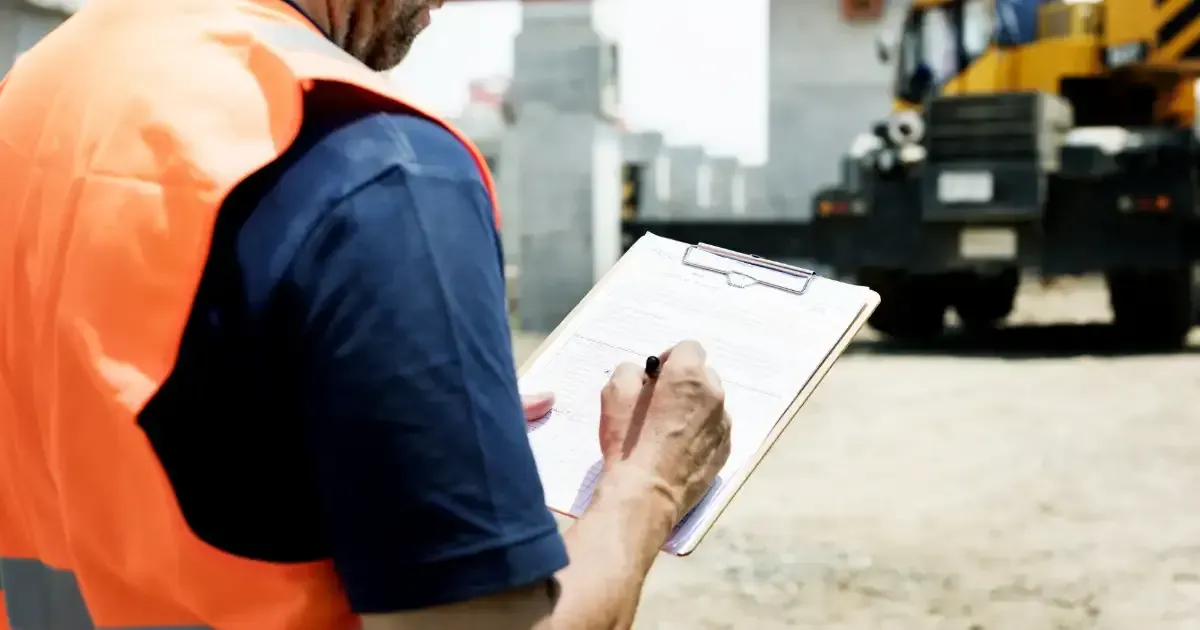
If your home recently sustained storm damage or you need help evaluating your roof's condition before filing a claim, get in touch with Nast Roofing and our friendly experts will help you navigate the process. We’ve been helping homeowners throughout South Florida for decades and the reviews from the community speak for themselves, check out a few of them below:
- “Needed help very quickly for insurance and Nast roofing came through for me in a matter of days. They were great!”
- “The work was scheduled and completed quickly. The inspection report with accompanying repair pictures were extremely useful for insurance purposes.”
- “...provided invoice with repairs and pictures for my insurance company. They even did this without me being home. I highly recommend them…”
Storm Damage Insurance Claims FAQs
How long do I have to file a roof damage claim in Florida?
Florida law generally requires homeowners to give notice of a windstorm or hurricane claim within one year of the date of loss. However, notifying your carrier as soon as damage is discovered is always best practice to streamline processing.
What is Florida’s "Matching Law" and how does it affect my roof?
Florida's matching statute dictates that when repair materials cannot reasonably match the existing roof in quality, color, or size, the insurer must replace contiguous areas to maintain a visually uniform appearance. This sometimes leads to full roof replacements when specific discontinued tiles cannot be sourced.
Can I repair my roof myself while waiting for the adjuster?
You should only perform minor, temporary emergency roof repairs, such as putting down a tarp, to prevent further water intrusion. Avoid permanent repairs until the insurance adjuster has inspected the full scope of original damage.
How does a percentage-based hurricane deductible work?
Instead of a flat fee (like $1,000), a hurricane deductible is calculated as a percentage (typically 2% to 5%) of your dwelling's insured value. For example, if your home is insured for $400,000 with a 2% hurricane deductible, your out-of-pocket requirement is $8,000 before insurance coverage kicks in.
What should I do if my insurance claim is underpaid or denied?
If an initial payout falls short of actual repair costs or is denied outright, request a detailed written explanation from your adjuster. You can submit supplemental evidence, hire a licensed contractor to provide a detailed line-item quote, or explore formal dispute resolution options provided by your policy.
Why should my contractor be present during the adjuster’s inspection?
Having a qualified professional present ensures that all structural and material damage is pointed out directly to the adjuster. This minimizes discrepancies between the adjuster's assessment and the actual cost of labor and materials required for a complete, code-compliant restoration.
Share this article!
Owner & CEO of Nast Roofing
Written by Tim Nast
Tim Nast is the Owner and CEO of Nast Roofing, with more than 35 years of experience in roofing and contracting. A Florida State Certified Roofing Contractor since 1994, Tim specializes in residential and commercial roofing, Florida Building Code requirements, and roofing applications throughout South Florida.