Nast Roofing Co.
Understanding South Florida Roofing Codes
What Broward & Miami-Dade Homeowners Need to Know in 2026
If you own a home or commercial building in South Florida, you already know our weather puts roofing materials to the ultimate test. Between blistering summer heat, heavy tropical downpours, and severe hurricanes, a roof here isn't just an architectural accent, it’s the single most critical structural shield protecting your investment.
Because of our unique climate risks, Broward and Miami-Dade counties are classified as High-Velocity Hurricane Zones (HVHZ). These two counties enforce the strictest building codes in the entire nation.
At Nast Roofing, we’ve been providing code-compliant roofing services across Fort Lauderdale and South Florida for over 30 years. We know that navigating building codes, permits, and product approvals can feel like reading a foreign language. To help you protect your home and avoid costly enforcement pitfalls, here is a practical guide to what South Florida property owners need to know about roofing codes in 2026.
What Makes HVHZ Roofing Codes Different?
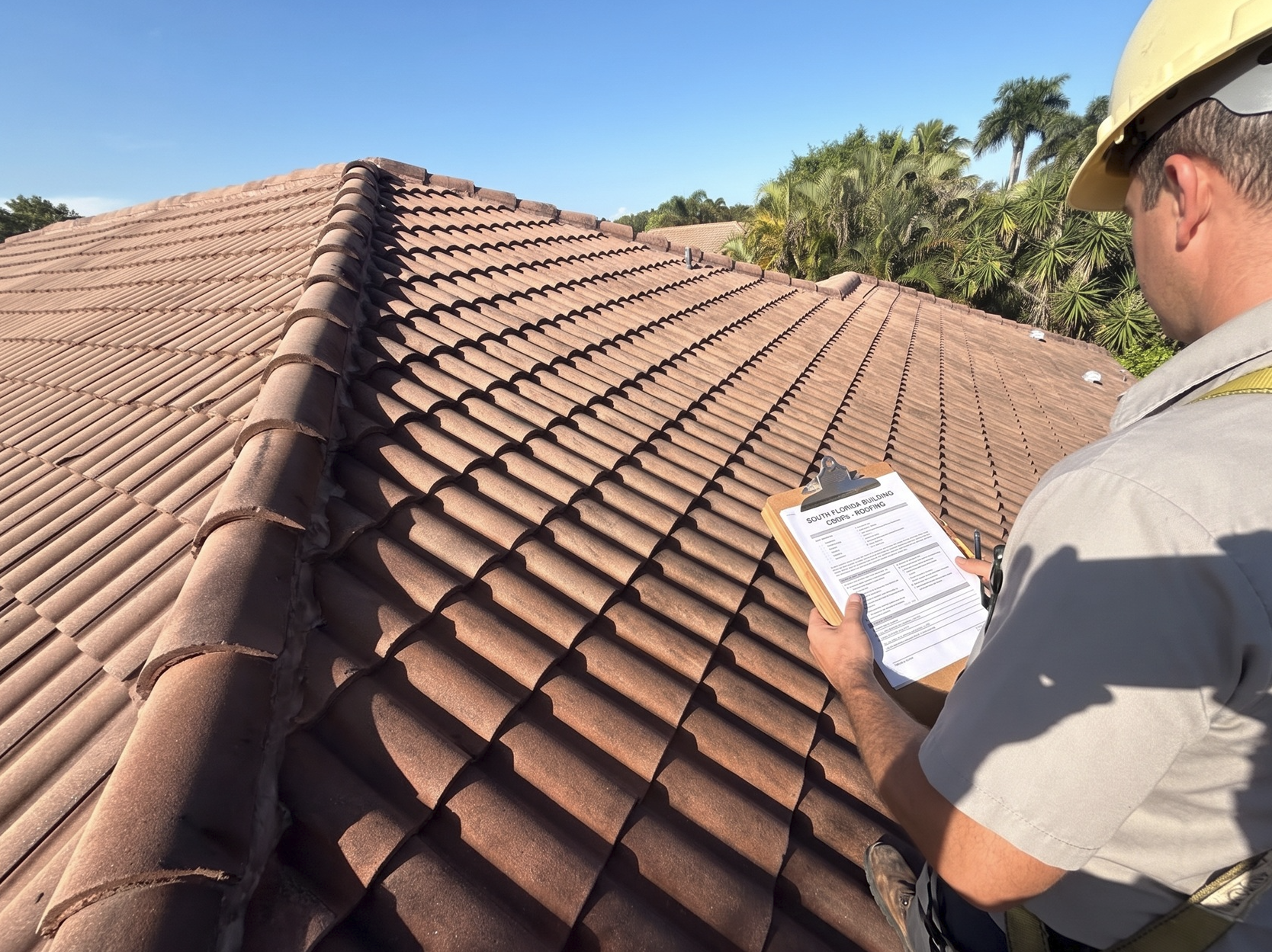
The Florida Building Code (FBC) sets the baseline for the entire state. However, because Broward and Miami-Dade fall within the HVHZ, roofs in these counties must be engineered to withstand ultimate wind speeds exceeding 170 mph to 175 mph.
When you install a roof in Fort Lauderdale, Hollywood, or Miami, standard "coastal" roofing methods simply won't cut it. Every component of your roof system must work as a unified, wind-resistant barrier.
1. Mandatory Miami-Dade NOAs (Notice of Acceptance)
Outside the HVHZ, products only need general Florida Product Approval. Within Broward and Miami-Dade, every single material installed on your roof, from the shingles or tiles down to the underlayment, nails, vents, and edge metal, must hold a valid Miami-Dade NOA. This seal proves the product has passed rigorous laboratory testing for wind uplift, impact resistance, and water infiltration.
2. Enhanced Fastening Patterns
In non-coastal areas, installer crews often use four nails per asphalt shingle. In our HVHZ region, the code strictly mandates a minimum of six ring-shank nails per shingle, fastened in specified high-wind schedules. Staples are strictly prohibited. For tile roofs, mechanical attachment methods (screws, clips, or specialized adhesive foam) must meet precise wind-uplift calculations specified in the Uniform Roofing Permit.
3. Full Secondary Water Barriers (Peel-and-Stick)
One of the most important protective standards in the HVHZ involves the underlayment layer beneath your tile, metal, or shingles. The code requires a self-adhered (peel-and-stick) secondary water barrier applied across the entire roof deck, not just along eaves or valleys. If severe winds tear off your outer shingles or tiles during a hurricane, this self-sealing membrane keeps water out of your home.
The Florida 25% Rule: What Homeowners Must Know
A common source of confusion for South Florida property owners is the 25% Rule found in the Florida Existing Building Code.
Historically, if more than 25% of a roof was damaged or being repaired within a 12-month period, state code required the entire roof to be torn off and brought up to current code standards.
Important Exception to Keep in Mind:
Under updated Florida statutes (SB 4-D), if an existing roof was built or replaced in compliance with the 2007 Florida Building Code or later (which took effect March 1, 2009), a partial repair covering more than 25% does not automatically force a total roof replacement, provided the remaining portion is structurally sound and compliant.
However, if your roof predates March 2009 or has widespread structural decay, a full tear-off and replacement down to the plywood decking will still be legally required to meet modern HVHZ uplift standards.
The Permit & Inspection Workflow in Broward & Miami-Dade
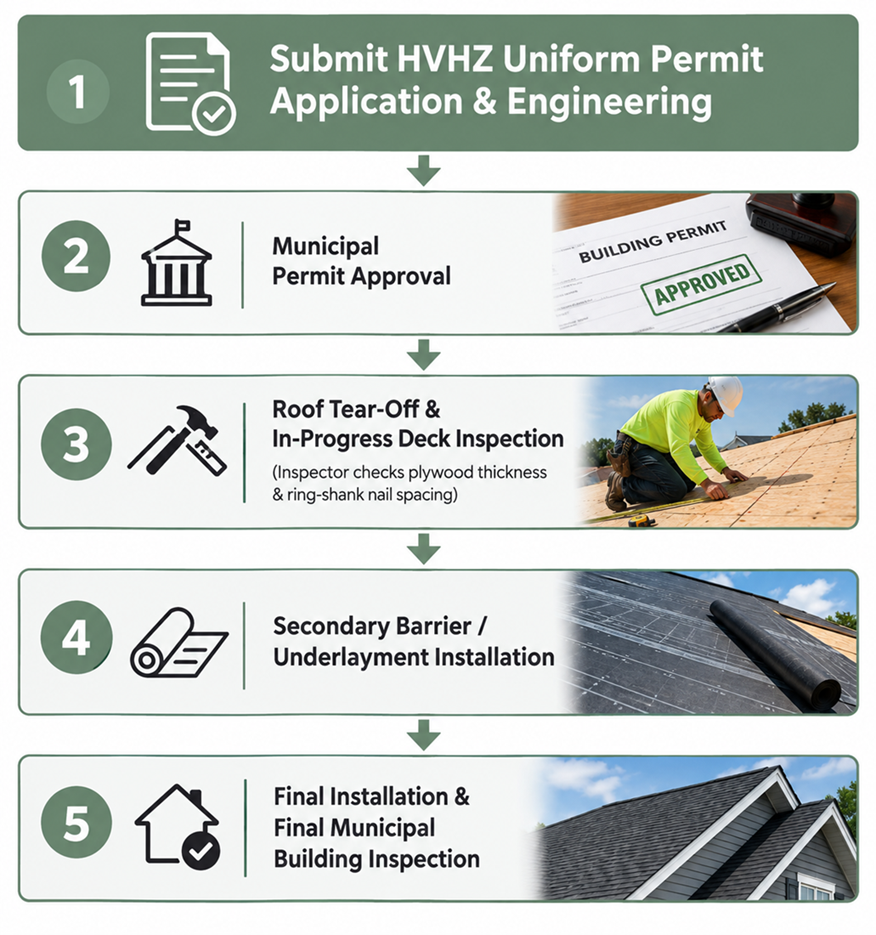
Skipping a permit to save a few bucks is one of the most dangerous mistakes a property owner can make. Unpermitted roofing work can result in heavy municipal fines, void your homeowner’s insurance coverage, and halt the sale of your home during a future title search.
When you partner with a licensed, certified contractor like Nast Roofing (FL License #CCC057134), we manage the complete permitting workflow:
Key Takeaways for Homeowners & Property Managers
- Never Allow Overlay Roofs: Florida code strictly limits overlays, and in the HVHZ, stripping down to the structural decking is essential to inspect for rotted wood and re-nail the plywood to meet wind uplift requirements.
- Verify License & Insurance: Always ensure your contractor holds an active State Certified Roofing Contractor license and carries full Workers' Compensation and General Liability insurance.
- Save Your NOA Documentation: Keep copies of your permit package, Miami-Dade NOAs, and final inspection sign-off. You will need these documents to qualify for valuable Wind Mitigation Discounts on your Florida homeowner's insurance policy.
Partner with South Florida’s Trusted Local Roofing Experts
Building code compliance isn't just about passing city inspections, it's about making sure your family or business stays safe when the next major hurricane makes landfall.
With over 30 years of hands-on experience in Fort Lauderdale and across South Florida, Nast Roofing delivers code-exceeding craftsmanship on every residential and commercial project. Whether you need proactive roof maintenance or a full code-compliant roof replacement, we are here to help.
Have questions about your roof’s condition or local code requirements? Contact Nast Roofing today at (954) 782-7500 or visit us online to schedule your Free Inspection / Estimate.
South Florida Roofing Codes FAQs
What is the HVHZ, and does my property fall inside it?
The High-Velocity Hurricane Zone (HVHZ) encompasses all of Miami-Dade and Broward counties. Properties located within these two counties are subject to the highest wind-load standards and strict material testing rules in the state.
How do I know if the materials being installed on my roof are code-compliant?
Every product installed in Broward or Miami-Dade must have a Miami-Dade Notice of Acceptance (NOA) or a Florida Product Approval explicitly rated for HVHZ use. Your roofing contractor should provide NOA cut-sheets as part of your official municipal permit application.
Why did my contractor have to add extra nails to my plywood deck?
When your old roof is torn off, the building inspector evaluates the existing plywood deck. Current code requires roof decks to be fastened using 8d ring-shank nails at tight 6-inch intervals along the edges. If your home was built years ago with smooth nails or staples, re-nailing the deck is legally required before installing new underlayment.
Can I choose any roofing material I want for my home?
While you have flexibility in choosing between tile, standing-seam metal, or asphalt shingles, the specific product line and installation method must be certified for your roof’s slope and local wind-speed zone. Additionally, if you live in an HOA community, your selection must comply with neighborhood aesthetic guidelines alongside city building codes.
How does a code-compliant roof save money on home insurance?
In Florida, insurance companies are legally required to offer discounts for homes with certified wind-resistance features. A fully permitted, code-compliant roof with a sealed deck (peel-and-stick underlayment), enhanced deck fastening, and hurricane straps can drastically reduce your annual windstorm insurance premiums.
Owner & CEO of Nast Roofing
Written by Tim Nast
Tim Nast is the Owner and CEO of Nast Roofing, with more than 35 years of experience in roofing and contracting. A Florida State Certified Roofing Contractor since 1994, Tim specializes in residential and commercial roofing, Florida Building Code requirements, and roofing applications throughout South Florida.